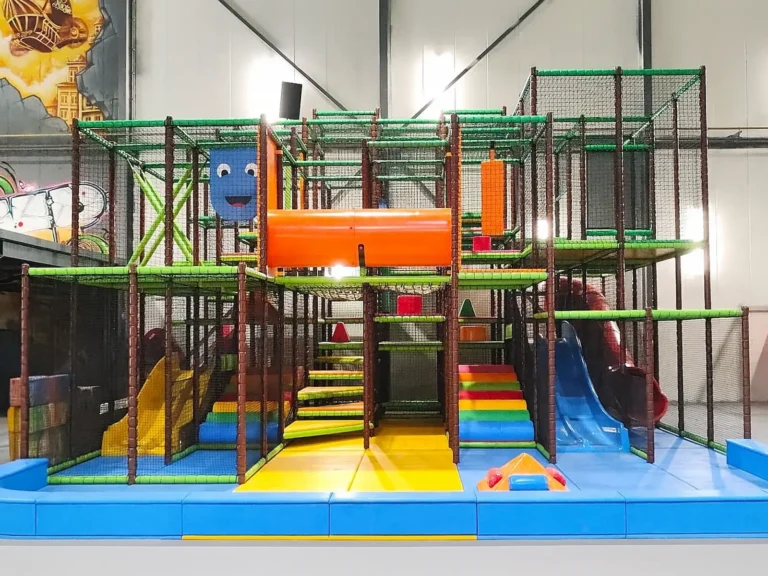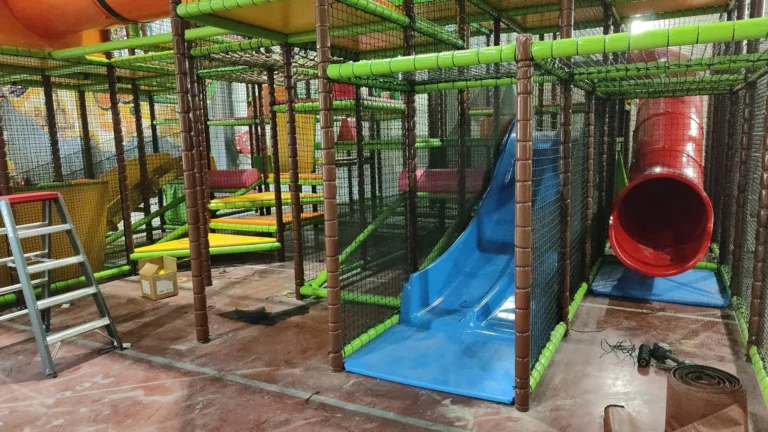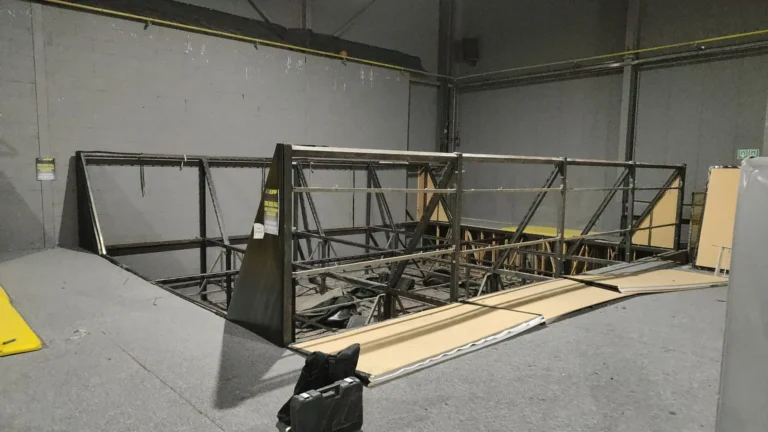
Building a Family Entertainment Center is much more than delivering a project. Above all, it is a deliberate decision to fully commit to a specific location. It means dozens of hours spent shaping the vision and fine tuning every element so that your indoor playground generates a real return and genuine satisfaction.
If you are wondering how to plan a Family Entertainment Center, pause for a moment and answer a few key questions. This is where, right at the beginning, decisions are made that will later be reflected in your financial results, customer reviews, and the calm, day to day management of your venue.
Below are seven areas worth thinking through before you commission an FEC project.
Customer profile: who you are planning the Family Entertainment Center for
Before the first visualization appears, you need to know who you want to attract. Families with children under 10? Teenagers? Or a multi generational space where everyone can have fun?
Each of these groups requires a different play dynamic, a different level of challenge, and a completely different communication style. This choice affects not only the design, but also the location, opening hours, and the types of events you host. When you know from the start who you are speaking to, the designer can create a space that truly works for your target audience.
Business model: what your FEC should earn money from
Every FEC earns in a different way. You can focus on:
- hourly tickets
- all day tickets
- a pay and play system
- VIP zones
- birthday parties and corporate events
- food and beverage
This is not only about the ticket price, but also about how guests will use the space. You plan play zones differently when you want a 90 minute rotation than when your goal is longer dwell time and a higher average spend. A good design is one that supports your revenue model from the start instead of limiting it.
Floor area and height: the foundation of how to plan a Family Entertainment Center
This is one of the first decisions that influences everything that comes later. A venue that is too small may force compromises. A venue that is too large may generate unnecessary operating costs.
Before you move forward with the design, make sure you know:
- the net usable area
- the usable height, which is key for play structures
- the layout of columns, zones, and any architectural obstacles
With this information, the designer can propose a layout that uses every centimeter without chaos or compromises.
Zones and proportions: play, relaxation, food and beverage
A Family Entertainment Center is not only play. It is an ecosystem of zones, rest areas, and circulation. The most common investor mistake is too many attractions in too little space, or not enough room for parents.
In practice, it works best when you define from the start:
- what percentage of the space goes to play
- what percentage goes to food and beverage and relaxation
- whether you plan an event area, educational space, or VR
Well balanced proportions between play, food and beverage, and parent seating are not an extra cost. They are a way to keep guests with you longer, and therefore increase the likelihood they will use the café and additional services.
Safety and certification: EN 1176 and EN 1177 from the planning stage
Every structure in a playground must meet EN 1176 and EN 1177 standards. Certification is not an empty formality. It is a real guarantee of safety and it builds parents’ trust in your brand.
At the design stage, it is worth agreeing on:
- who is responsible for certification
- whether all components have the required documents
- how the acceptance process for the finished venue works
Safety is the foundation. Customers might overlook a minor issue in the café, but they will not overlook a risk in the play area.
Designer experience: who you build operational peace with
An FEC project is not just drawings. It is knowledge of how users behave, how traffic changes on weekends, and what happens after the first three months of operation.
When choosing a designer, ask:
- whether they understand operational realities such as cleaning, servicing, and component turnover
- whether they can advise on commercial topics such as ROI, visitor flow, and catering
- how they combine play value with safety
An experienced design partner will not only design the space, but will also help you avoid costly mistakes before the first installation.
Growth plan: think long term
Your FEC does not end on opening day. A well designed system is one you can grow: swap modules, add zones, and refresh the look without tearing down the entire structure.
Plan now for:
- expansion options
- installation flexibility
- modernization scenarios after 2 to 3 seasons
This strategic thinking lets you grow without downtime and without losing your brand identity.
Conclusion
Your FEC project does not have to be the biggest or the most expensive. It needs to be thought through so it works as a business, delivers satisfaction, and still feels fresh after a year. If you work through these seven decisions carefully, you will create a space that not only entertains children, but also builds parents’ trust and a stable financial result.
If you want to plan a Family Entertainment Center comprehensively, based on design experience and real operational conditions, contact us. The IndoorPlaygroundConcept team will help you move from concept to execution.
Contact us today: +48 663 960 969, [email protected]